EV charger installation
A dedicated 240 V circuit from the panel to the parking spot, the charger mounted and connected, and ESA inspection. The load calculation comes first and decides whether a 100 A service can carry it. EV charging page
Panel and circuit upgrades
Panel assessments, 100 A to 200 A service upgrades with Alectra Utilities scheduling, subpanels for garages and basements, and new dedicated circuits for ranges, dryers, air conditioners and hot tubs. Panels and upgrades page
Kitchen and renovation wiring
Rough-in for kitchens, finished basements and open-ceiling renovations: counter circuits, appliance feeds, pot light layouts, interconnected alarms, inspection before drywall. Electrical renovations page
Outlets, switches and lighting
New receptacles, GFCI and outdoor outlets, switch and dimmer replacement, fixture installation and smoke and carbon monoxide alarms. Described in full below.
Residential troubleshooting
Tripping breakers, dead outlets, flicker, warm devices and partial power loss, found with a meter and repaired to code. Described in full below.
Outlets, switches and lighting
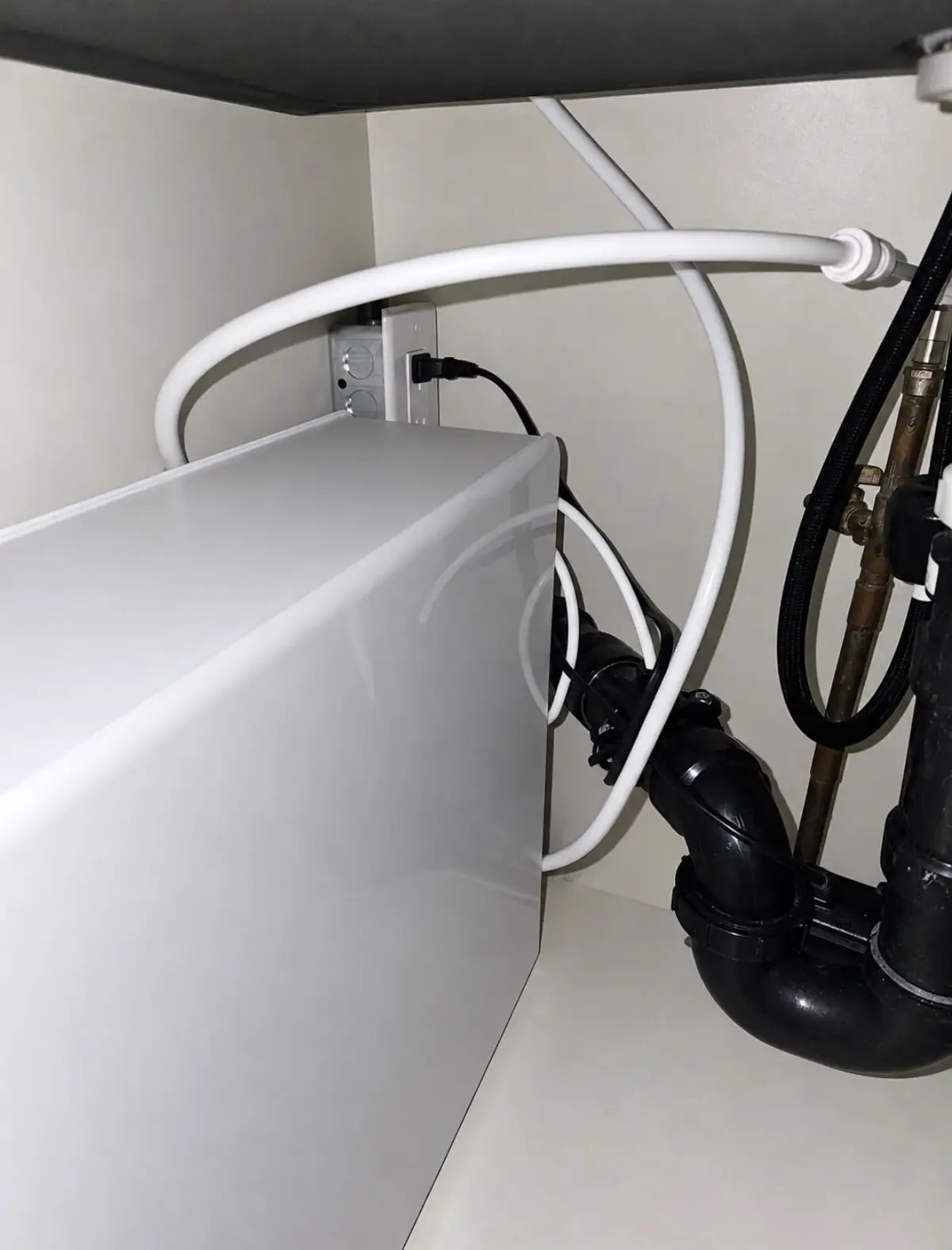
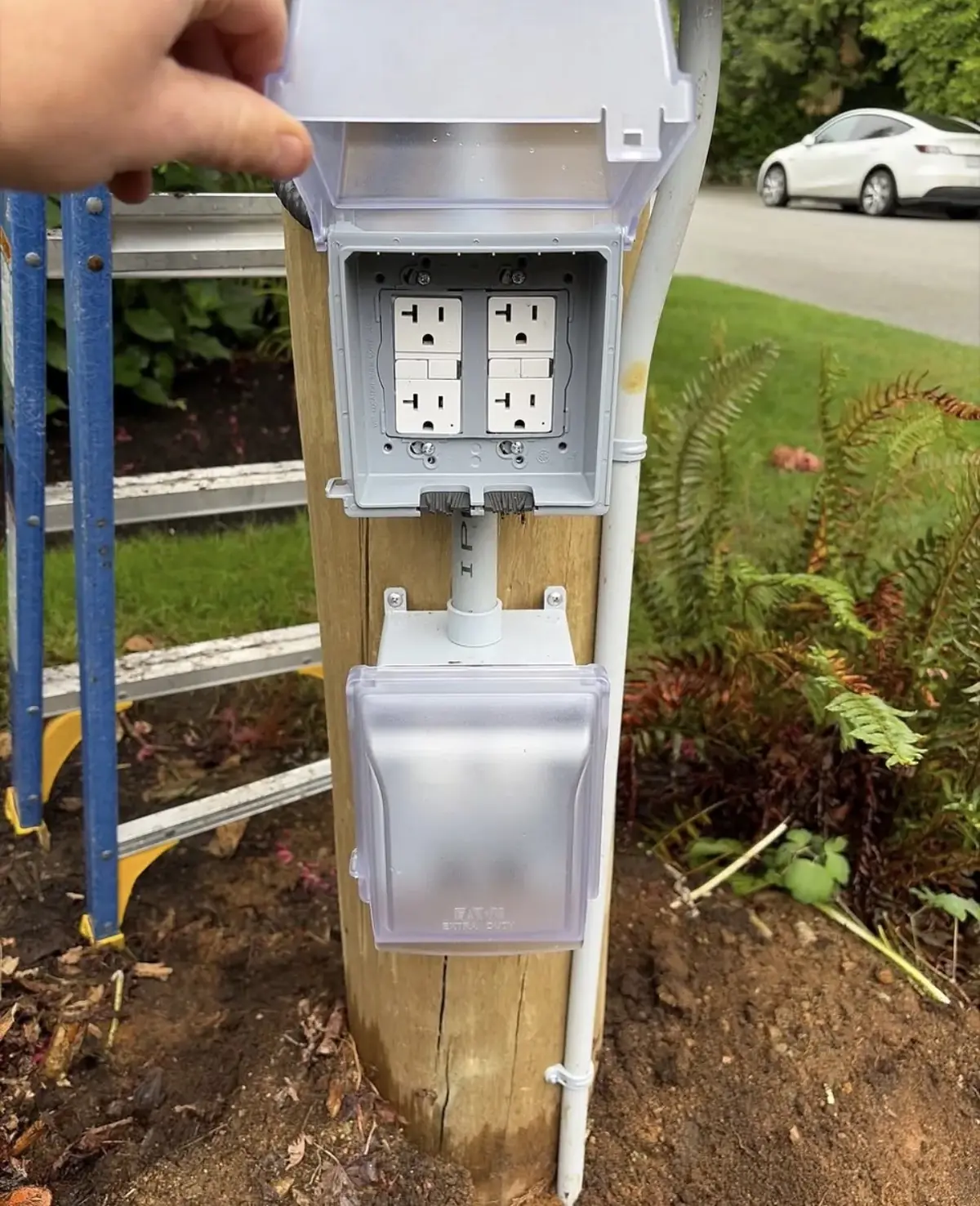
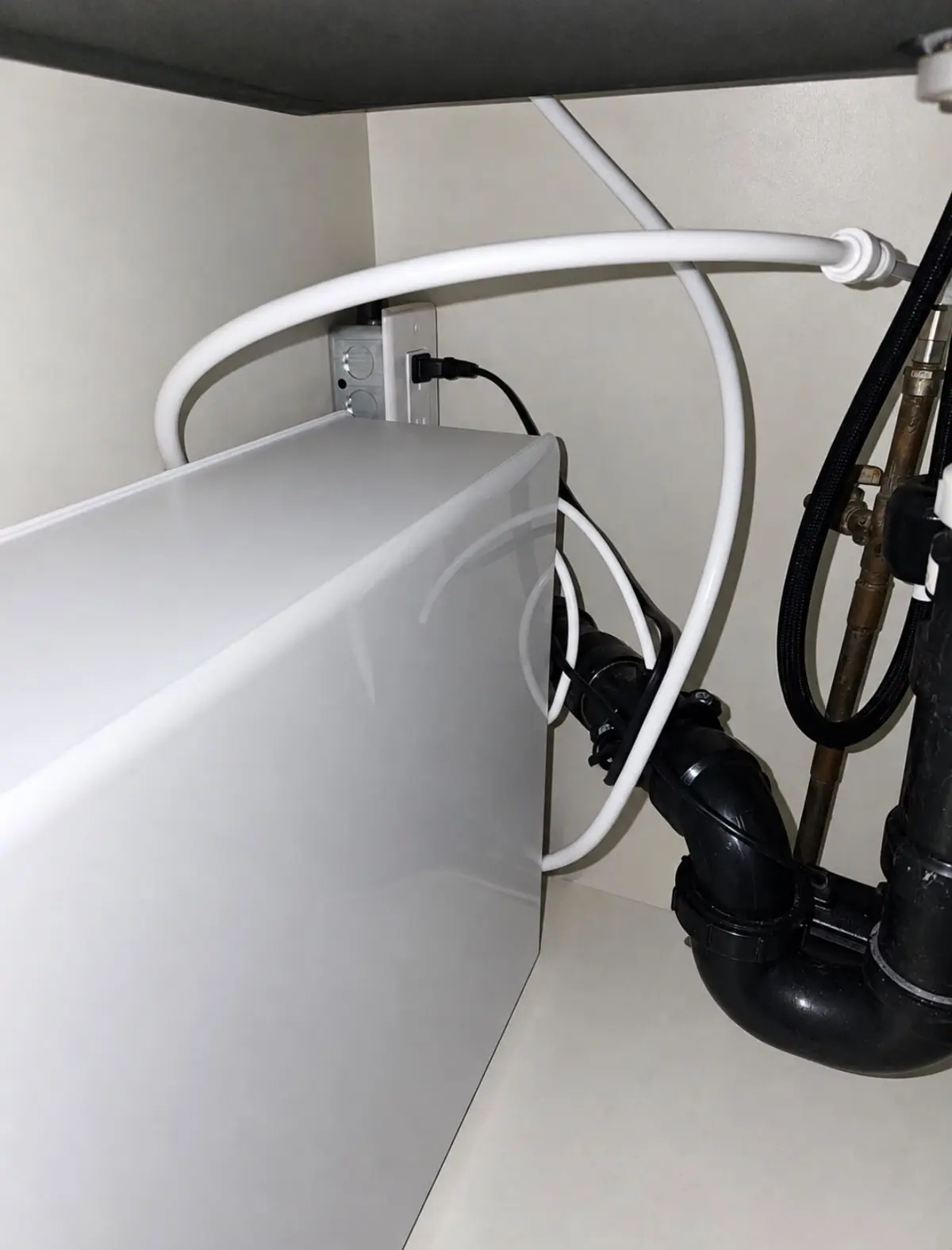
Most calls in this category are about putting power where it is needed. A freezer in the garage on an extension cord, a water treatment unit under the sink, a workbench, a patio with no outlet, a bathroom with a single two-prong receptacle. The job is to add a receptacle on a circuit that can carry the load, with the right protection for where it is.
What it includes: new receptacles and circuits; replacing worn, loose or two-prong receptacles with tamper-resistant devices; GFCI protection in bathrooms, kitchens, garages, unfinished basements and outdoors; weatherproof outdoor receptacles with in-use covers; switch and dimmer replacement; and installing fixtures, pot lights, under-cabinet and exterior lighting.
When you need it: any device that is warm, cracked, loose in the wall or no longer holds a plug; outlets near water without GFCI protection; a cord doing a receptacle's job; or lighting that flickers, buzzes or cannot be dimmed properly.
What affects scope: how far the nearest suitable circuit is, whether the wall or ceiling is finished, and whether the existing box and wiring are reusable.
Dimmers and LED fixtures
Flicker and buzz on a dimmer almost always mean the dimmer was made for incandescent lamps or the fixture is not dimmable. Matching the dimmer to the load fixes it in most houses. Three-way and four-way switching for stairs and hallways is set up so every switch position works, not just the one you tested.
Smoke and carbon monoxide alarms
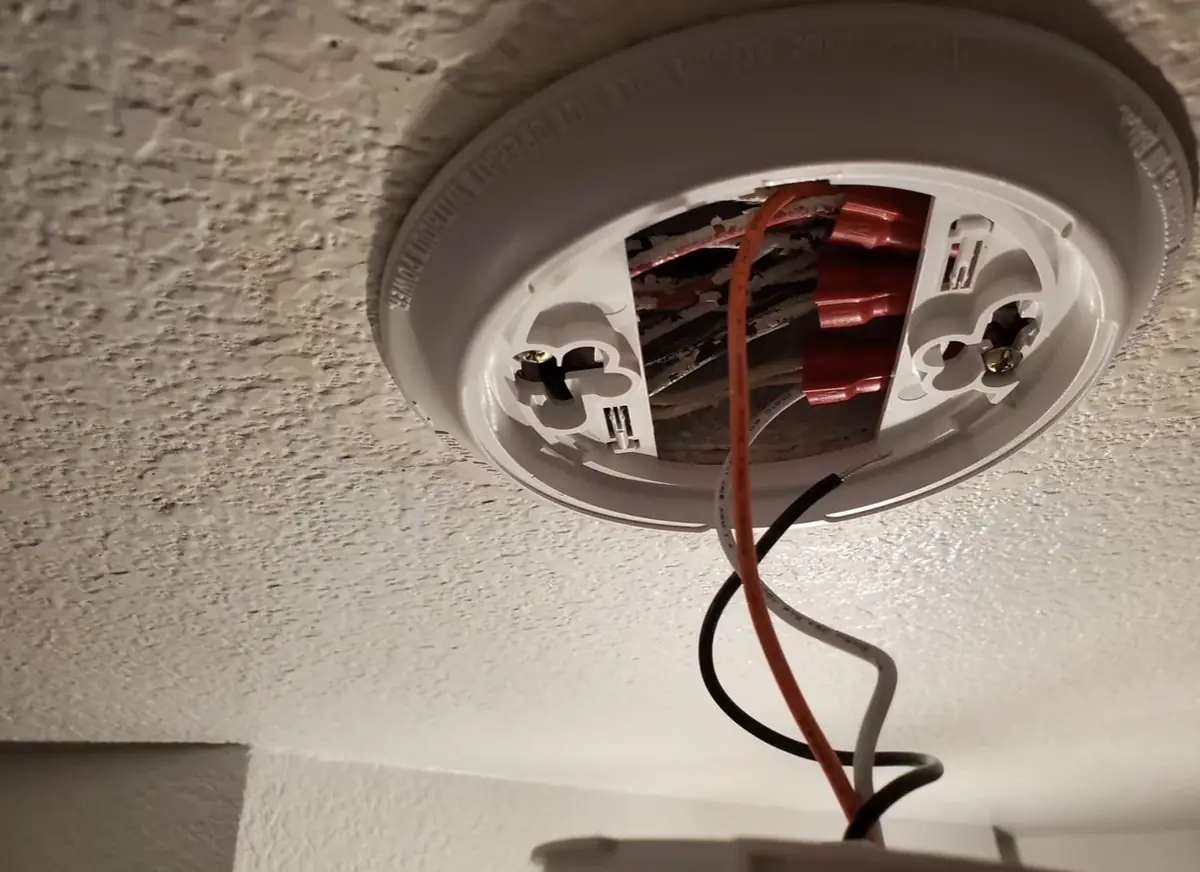
Hard-wired smoke alarms in a house are meant to be interconnected, so that an alarm in the basement wakes someone upstairs. The red conductor in the cable is that interconnect. When alarms sound one at a time, chirp, or are past their replacement date, we replace them as a set, confirm the interconnect works from each unit, and add carbon monoxide alarms near sleeping areas where a fuel-burning appliance or attached garage calls for them.
When you need it: alarms older than their rated life (usually printed on the back), alarms that do not all sound together, chirping that a fresh battery does not stop, or a renovation that opened the ceilings.
If something is burning, sparking or smoking
Switch the main breaker off if you can reach it safely, and call 911 if there is any sign of fire. Do not open the panel or any device. Everything below assumes the immediate danger is dealt with.
Residential troubleshooting
A breaker that trips is doing its job; the question is what it is protecting you from. Fault finding starts at the symptom and works back: which circuit, which devices, what changed recently. Then it is measured. Voltage on each leg, current on the suspect circuit under load, continuity and insulation where a cable is suspected. Devices come off the circuit in sequence until the fault clears, which points to a device, a run or a junction box. The repair is made and the circuit is loaded and re-measured before it is called fixed.
What it includes: repeated breaker trips, dead or intermittent outlets, flicker and dimming, warm or discoloured devices, partial power loss, nuisance tripping on arc-fault or GFCI devices, and panels with no useful directory.
What helps before we arrive: leave a tripping breaker off; note what was running when it happened and the time; note whether anything else stopped at the same time; and keep the space in front of the panel clear.
Usual causes
- Overload: a kettle, microwave and toaster sharing one 15 A circuit, or a bedroom used as an office with a space heater.
- Loose connection: often a backstabbed wire at a receptacle. It heats, it arcs, and an arc-fault breaker may be the first thing to notice.
- Failed device: a receptacle, switch or fixture at the end of its life, or damaged by a cord or water.
- Lost neutral or lost leg: whole-house flicker, lights that brighten when an appliance starts, or half the house out. Diagnosed at the panel first; Alectra Utilities is involved if the fault is on the service side.
Repairs are to code, with the right parts
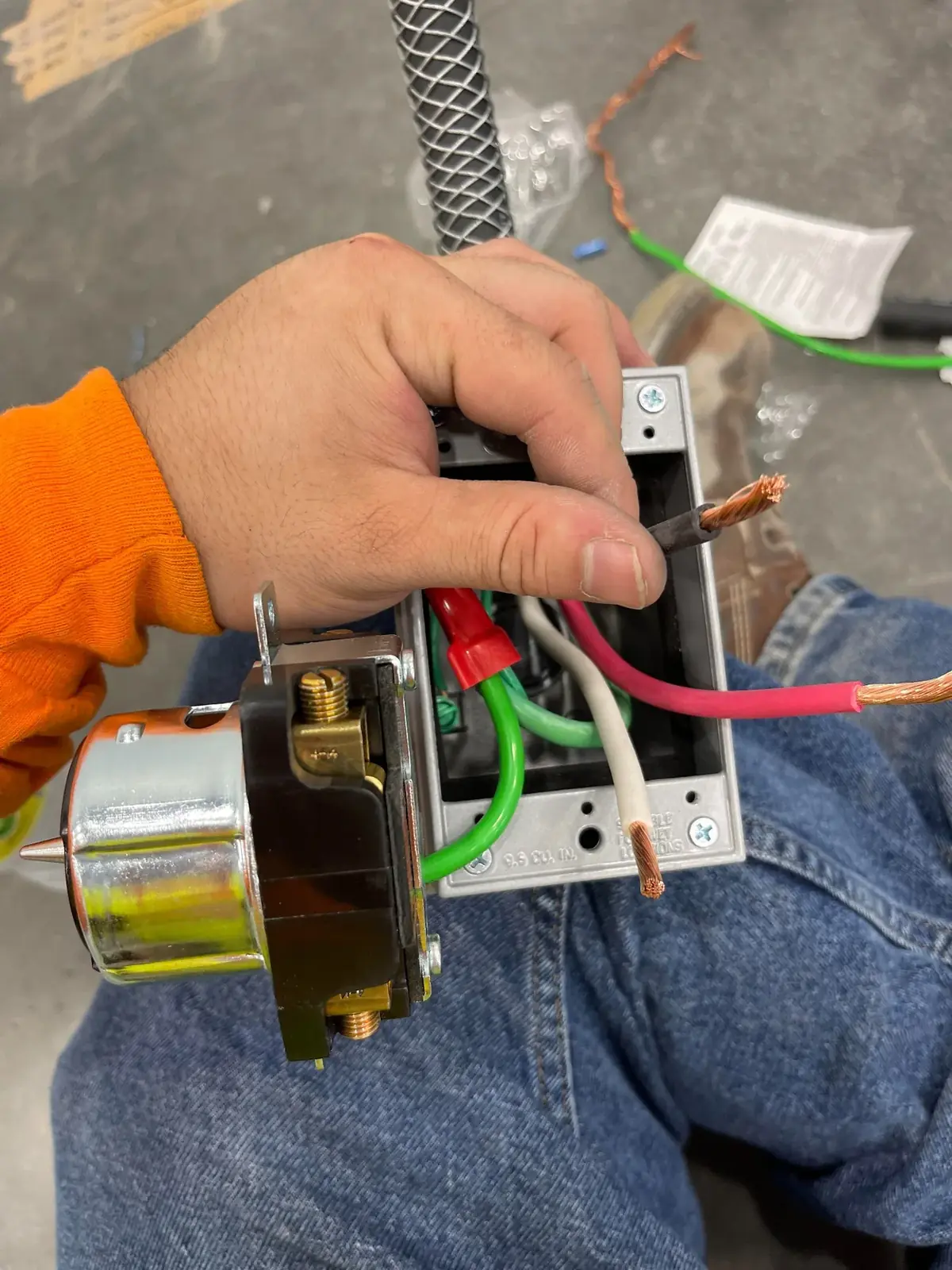
The replacement device matches the circuit: a 20 A receptacle only on a 20 A circuit, tamper-resistant devices in living areas, GFCI where water is near, arc-fault protection where the code requires it. Connections are made on the terminals, not pushed into the back, and the panel directory is corrected before we leave.
More recent work
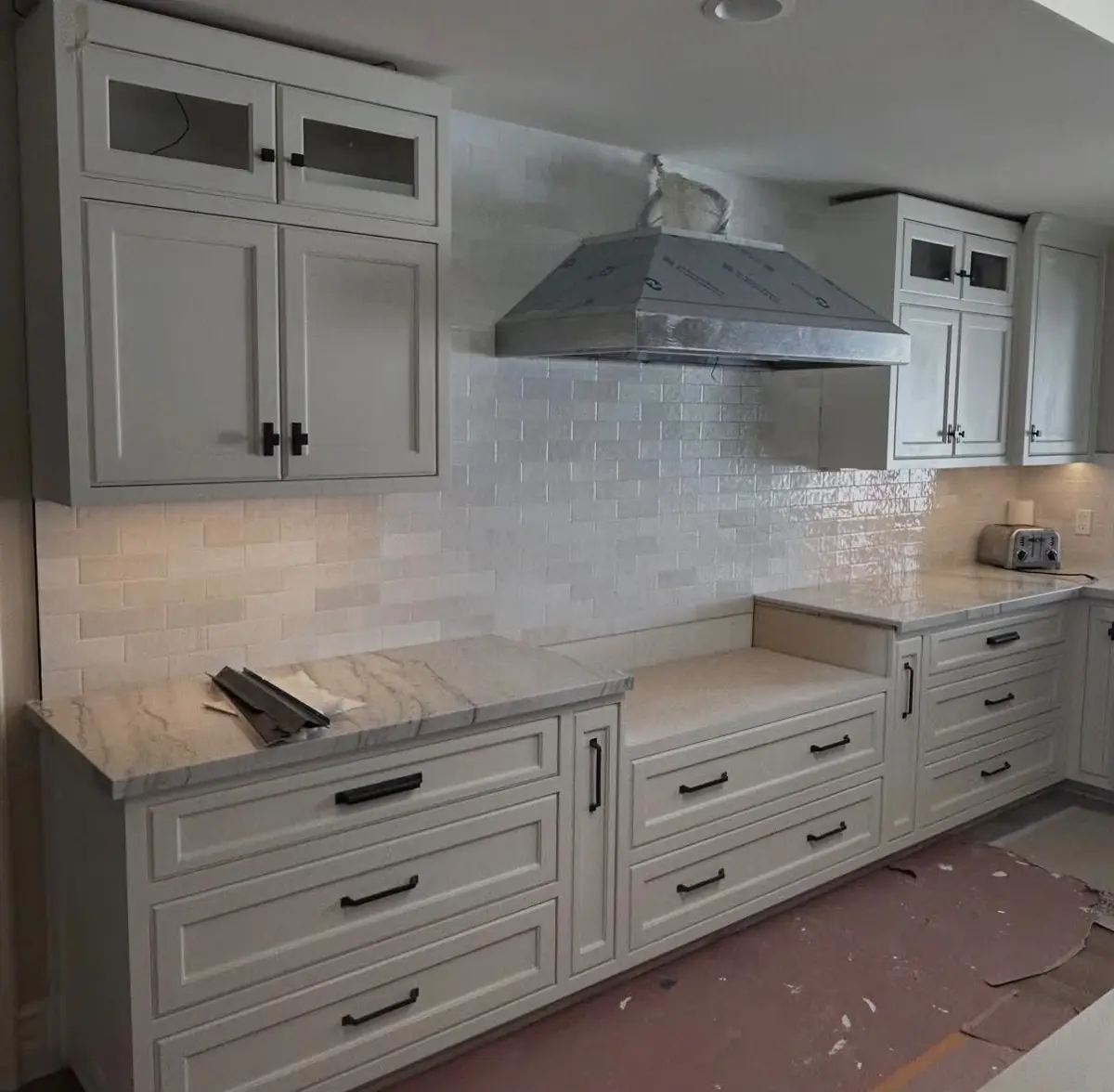
Two small jobs of the kind this page is about.
Describe the symptom or the plan
That is enough to start. We will tell you which service it is, whether a visit is needed to quote, and what to have ready.